
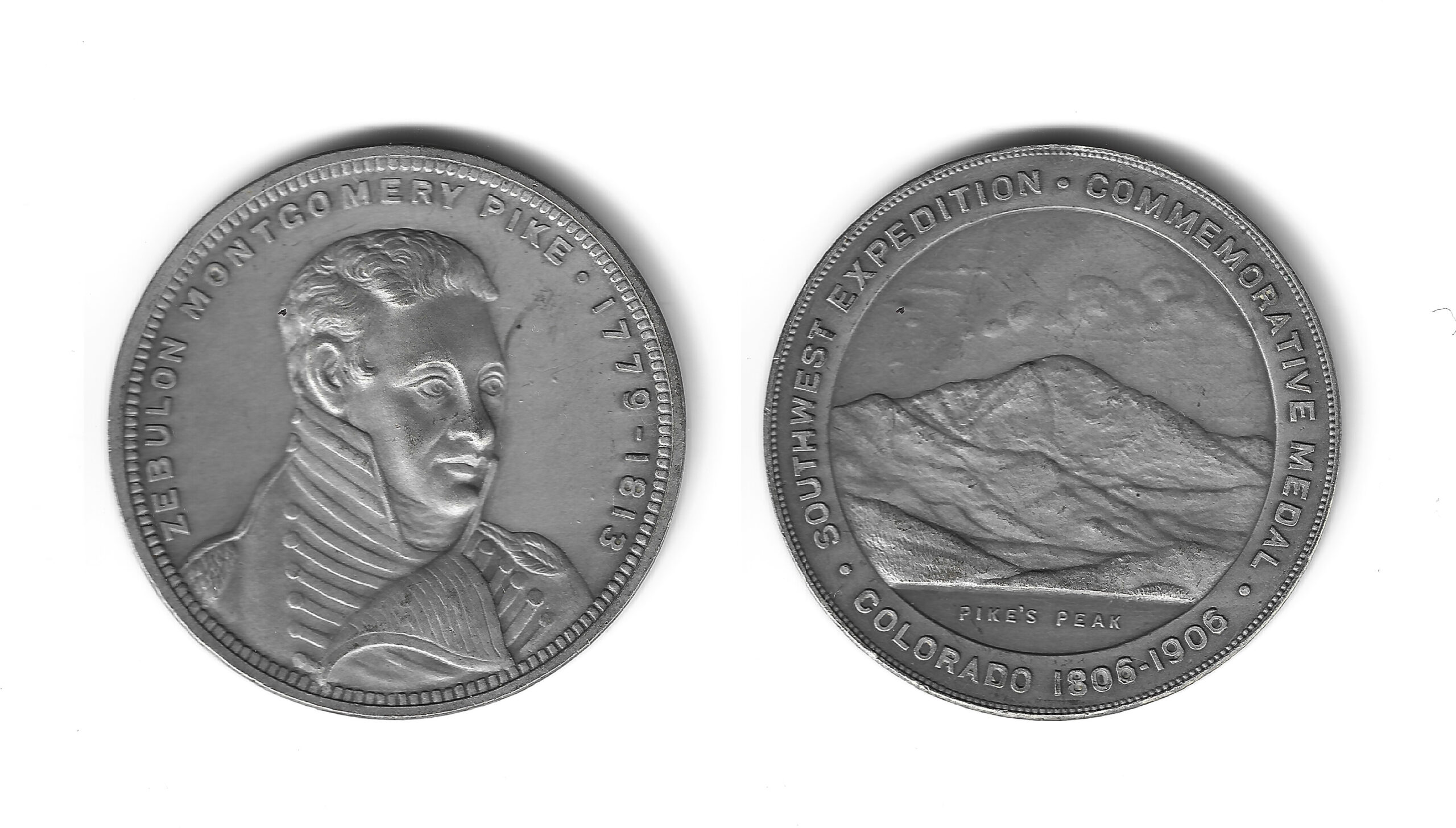
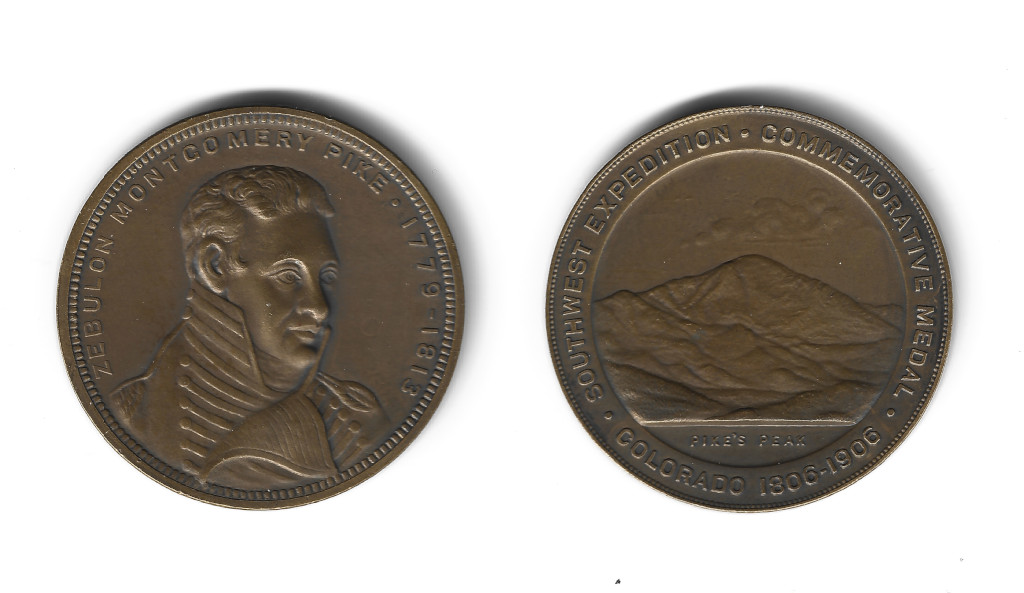
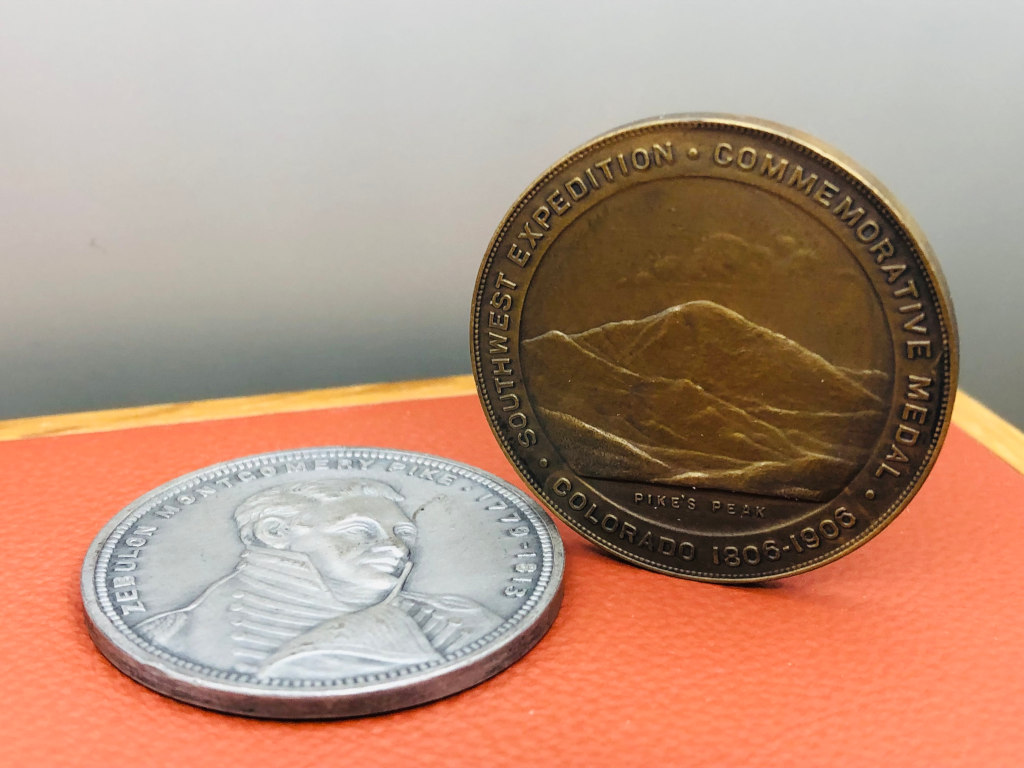
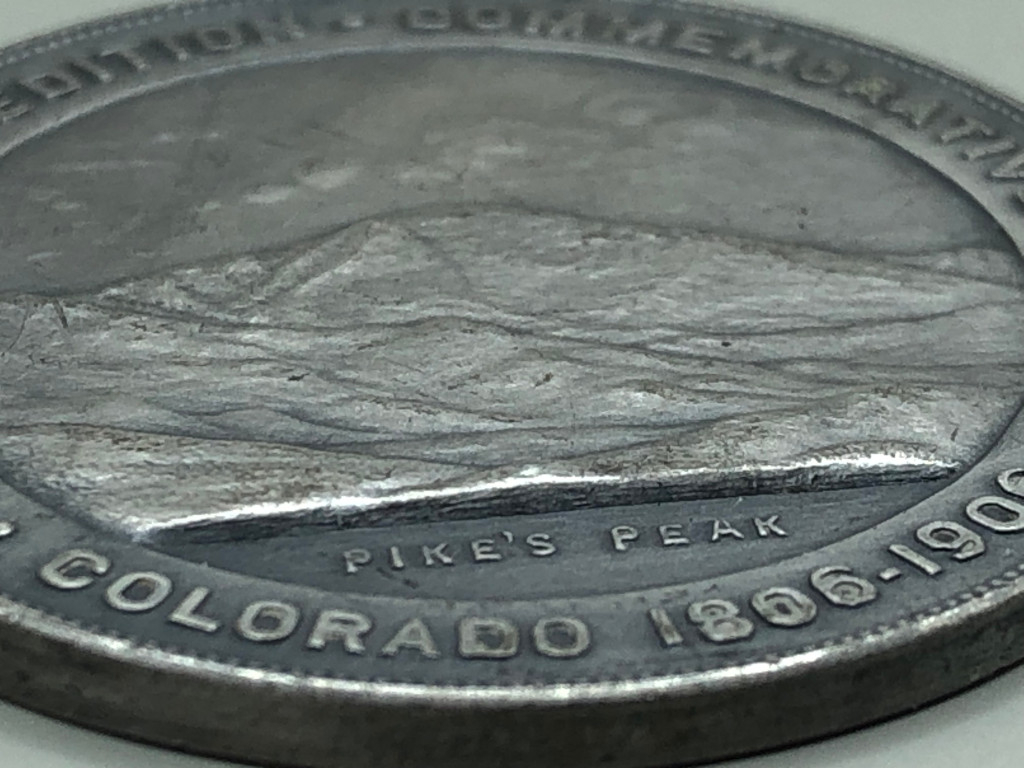
The idea for these medals was pushed by Rep. Franklin E. Brooks, who had met with President Roosevelt in December of 1905 to discuss the centennial celebration of the expedition. The President approved of the idea, and the representative introduced a bill to mint a suitable number of medals at the Denver Mint in order to help fund the celebrations.4
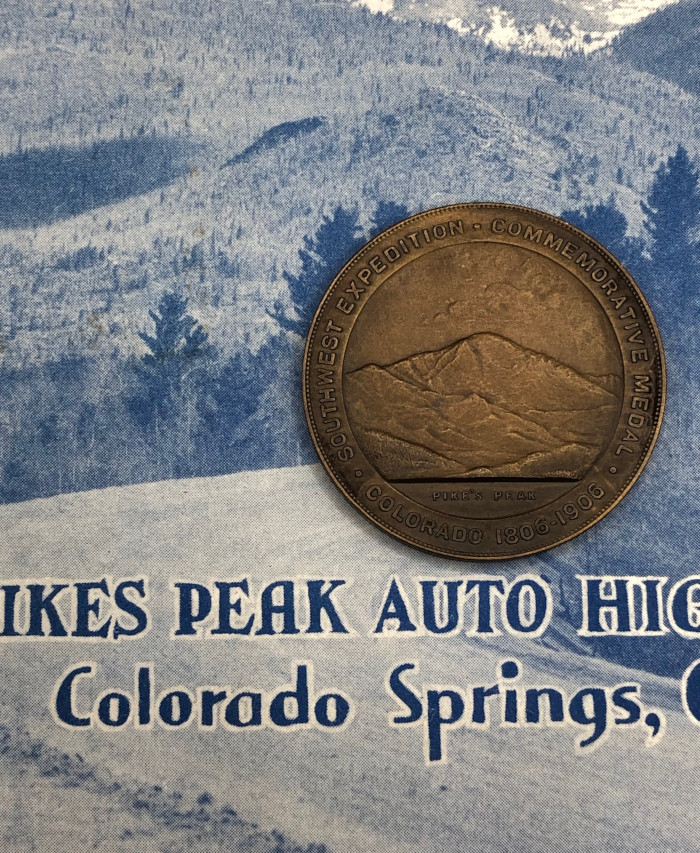 The bill called for $5,000 to be spent on creating the medals. In February, it was reported that Brooks’s bill had received a favorable report from the House Committee on Coinage, Weights and Measures. It was widely reported in February that the bill called for both silver and bronze medals to be struck.5
The bill passed the House on March 9th, and was expected to pass the Senate. The version of the bill that passed called for enough funds to strike 100,000 bronze medals. It was also later reported that this bill called for $10,000 to be appropriated instead of $5,000.6 7
The design was to be submitted to G.E. Roberts, the U.S. Mint Director, who would have the dies made in Philadelphia. The dies would then be sent to the Denver Mint for striking of the medals. Also reported, the side of the medals with Pike’s face would read “Centennial Celebration of Discovery of Pike’s Peak, November 15, 1806.” However, this would not be the final text.
The bill had still not passed the Senate as of April 7.
Vice Chairman Henry R. Wray was responsible for sending photos of Zebulon Pike, and copies of the medal’s inscription to Washington.8
Senator Teller “secures passage” of the bill through the Senate by early May. The Rocky Mountain News reported that the medals were to be made from “discs prepared in the Philadelphia Mint”, which likely referred to the planchets.9
In early June, it was reported that 3 types of medals were expected to be sold… not in banks (which is where they were eventually sold), but in jewelry shops and curio stores. These would be the bronze, silver, and gilt (gold-plated) versions. An order for the first 1,000 had been given to the mint. Sale prices were expected to range from $1 to $3. The first 25 of each type were to be numbered and put up for auction.10 11
The Akron Press and others reported that 26 of each type would go up for auction instead of the 25 previously reported. Production was expected to start in July.12
In an article published on June 22, Rep. Brooks reported that the first batch of medals had been struck at the Philadelphia Mint, and was ready for shipping.13
By mid-July, 125 medals were received by Congressman Brooks, and they were put up for sale at El Paso National Bank. The bank charged $0.50 for the bronze and $1 for the silver medals.14
S.B. Mansfield of Colorado Springs was in charge of distributing the medals for the general committee. He reported having his first samples in August.15
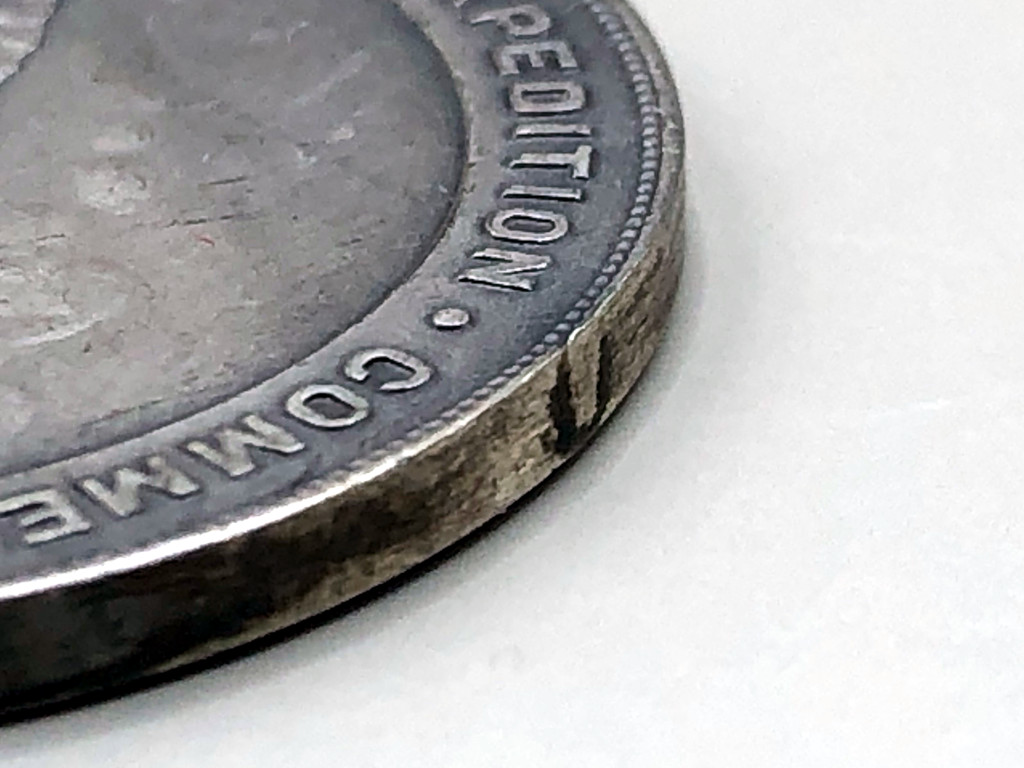
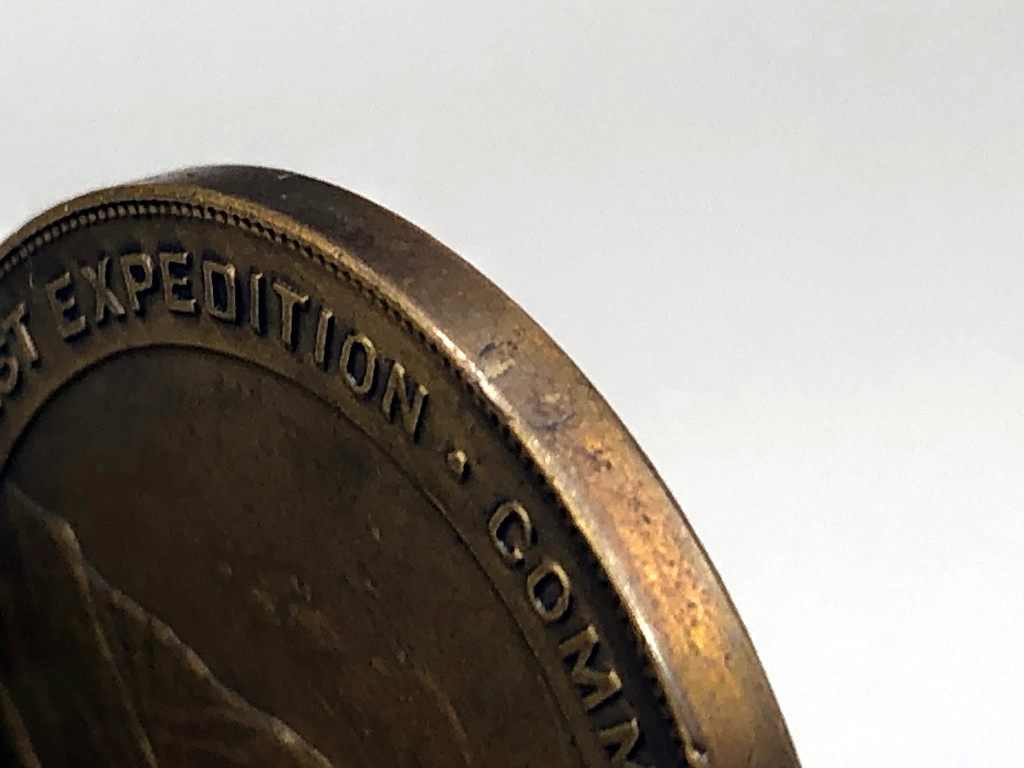
In 1955, a cache of medals was discovered during the demolition of First National Bank in Colorado Springs. This included 2,000 bronze medals, and 2,000 silver medals. The Rocky Mountain News also reported that a total of 6250 bronze, 4450 silver, and 250 gold-plated medals were struck. Those totals are the same as suggested in mint records found by Hibler & Kappen, with the exception of the silver medals. Hibler & Kappen suggested that 4,200 were ordered or struck.16
- The Rocky Mountain News (Daily), Volume 97, Number 57, February 26, 1956, p. 59.
- The Colorado Transcript, June 7, 1906, p. 2.
- The Canon City Record, Volume 29, Number 34, August 23, 1906, p. 3.
- The Brush Tribune, Number 9, December 22, 1905, p. 5.
- The Rocky Mountain News (Daily), Volume 47, Number 34, February 3, 1906, p. 1.
- The Rocky Mountain News (Daily), Volume 47, Number 69, March 10, 1906, p. 6.
- The Rocky Mountain News (Daily), Volume 97, Number 57, February 26, 1956, p. 59.
- The Rocky Mountain News (Daily), Volume 47, Number 97, April 7, 1906, p. 10.
- The Rocky Mountain News (Daily), Volume 47, Number 123, May 3, 1906, p. 9.
- The Rocky Mountain News (Daily), Volume 47, Number 152, June 1, 1906, p. 9
- The Colorado Transcript, June 7, 1906, p. 2.
- Akron Weekly Pioneer Press, June 8, 1906, p. 1
- Jefferson County Graphic, Volume 22, Number 25, June 22, 1906, p. 5.
- The Brush Tribune, Number 39, July 20, 1906, p. 4.
- The Canon City Record, Volume 29, Number 34, August 23, 1906, p. 3.
- The Rocky Mountain News (Daily), Volume 97, Number 57, February 26, 1956, p. 59.